Bulkhead on Lake Livingston: A Homeowner’s Checklist Before Setup
Why a Sturdy Bulkhead Is Crucial for Coastal Building Security
A durable bulkhead plays a crucial function in securing coastal buildings from harsh environmental forces. It works as a barrier versus waves, preventing erosion and possible damage to homes. Past its protective function, a sound bulkhead can enhance the aesthetic charm and market value of a residential or commercial property. Nonetheless, the performance of these structures relies upon correct upkeep and adherence to guidelines. Comprehending these factors is necessary for any type of coastal residential or commercial property owner. What effects do these factors to consider have for long-term investments?
The Duty of Bulkheads in Coastal Protection
Bulkheads function as essential structures in coastal protection, offering an obstacle against the unrelenting forces of waves and disintegration. These vertical frameworks, commonly constructed from concrete, steel, or wood, are made to reroute and take in wave power, subsequently protecting the coastline. By protecting against the land from being overtaken by water, bulkheads play an important role in maintaining the stability of seaside homes. They are often utilized in areas where the coast is especially vulnerable, such as inlets, tidewaters, and highly established shorelines.
Beyond their protective function, bulkheads can likewise contribute to habitat preservation, using security for adjacent ecological communities. They can support plant life that further improves seaside durability. Nevertheless, the performance of a bulkhead depends on appropriate layout and installation, tailored to details environmental problems. Ultimately, bulkheads are essential in the more comprehensive strategy of seaside monitoring, acting as a frontline defense against the dynamic pressures of nature.
Avoiding Disintegration and Building Damages
Reliable coastal management requires a multifaceted approach to stop disintegration and property damage. This involves employing techniques that incorporate natural and engineered services. Bulkheads offer as a considerable barrier versus wave activity, effectively minimizing the impact of tidal forces on shorelines. By absorbing and dispersing energy from incoming waves, bulkheads help maintain the land and avoid soil loss.

Community awareness and participation additionally play an essential role, as informed citizens can take part in techniques that lower human influence on coastal environments. Inevitably, a comprehensive method that integrates both framework and natural systems is vital to securing seaside buildings from disintegration and damages.
Enhancing Visual Allure and Home Worth
Coastal residential or commercial properties usually profit considerably from improvements that enhance both visual charm and building worth. A strong bulkhead not only serves a useful function in shielding versus erosion yet additionally contributes to the overall aesthetic appearance of a waterside residential or commercial property. By supplying a clean, defined limit between land and water, a properly designed bulkhead can enhance the landscape, matching the all-natural appeal of the coast.
In addition, the visibility of a high quality bulkhead can signal to potential customers that the residential or commercial property is well-maintained and resistant versus ecological difficulties. This understanding can bring about raised market price, as customers usually focus on homes with durable security versus coastal dangers. Aesthetically pleasing bulkheads can include products and designs that line up with neighborhood architectural styles, additionally raising the residential property's allure (Bulkhead on Lake Livingston). Ultimately, the investment in a strong bulkhead can yield substantial returns in both visual and financial aspects for coastal homeowner
Long-Term Cost Cost Savings and Financial Investment Defense
Purchasing correct coastal residential property defense can bring about significant long-term cost financial savings. A durable bulkhead serves as an obstacle versus erosion and flooding, reducing the possibility of costly repairs and maintenance that can emerge from environmental damages. By stopping soil loss and safeguarding structures, homeowner guard their investments, making sure that the worth of their home continues to be secure and even appreciates over time.
Additionally, the preliminary investment in a resilient bulkhead can generate economic advantages over time, as insurance coverage rates might reduce due to lessened risk direct exposure. Characteristics with effective seaside defenses are frequently a lot more attractive to buyers, additionally enhancing their bankability. Bulkhead on Lake Livingston. Eventually, a well-constructed bulkhead not only fortifies the home against nature's elements but also solidifies an owner's economic standing, making it a smart selection for those aiming to shield their seaside financial investments
Navigating Laws and Upkeep for Bulkheads
Just how can homeowner assure their bulkheads fulfill neighborhood guidelines and continue to be in perfect problem? Understanding of neighborhood regulations is important, as bulkhead construction and maintenance typically drop under particular zoning and environmental standards. Home owners should consult their city government or ecological agencies to recognize needed authorizations and compliance requirements. Regular examinations by qualified professionals can identify structural concerns and possible offenses before they escalate.
Upkeep methods, such as prompt repairs and regular cleansings, are important for lengthening the bulkhead's lifespan. Home owners should also take into consideration seasonal climate influences, guaranteeing YOURURL.com that water drainage systems are functional and clear. In addition, utilizing durable materials that hold up against severe coastal problems can stop early wear and tear. By staying aggressive and educated about guidelines and upkeep, property owners will enhance the performance of their bulkheads, guaranteeing seaside security while abiding by lawful requirements.
Frequently Asked Concerns
Exactly How Do Bulkheads Effect Resident Wildlife Habitats?
Bulkheads can significantly alter neighborhood wildlife habitats by limiting all-natural coastlines, disrupting sediment flow, and restricting access to feeding and reproducing locations for various species, possibly causing reduced biodiversity and environment health and wellness in coastal regions.
What Materials Are Ideal for Building a Bulkhead?

Can I Build a Bulkhead Without a Permit?
In lots of territories, constructing a bulkhead without an authorization is illegal. Laws usually need authorizations to ensure compliance with ecological requirements view website and regional zoning legislations, making it important to seek advice from neighborhood authorities prior to continuing.
How Lengthy Does a Bulkhead Commonly Last?
A bulkhead commonly lasts in between 30 to half a century, relying on materials, environmental problems, and upkeep. Routine evaluations and prompt repair services can expand its lifespan, making sure continued efficiency in protecting coastal properties from erosion and damage.
What Are the Indications of a Failing Bulkhead?

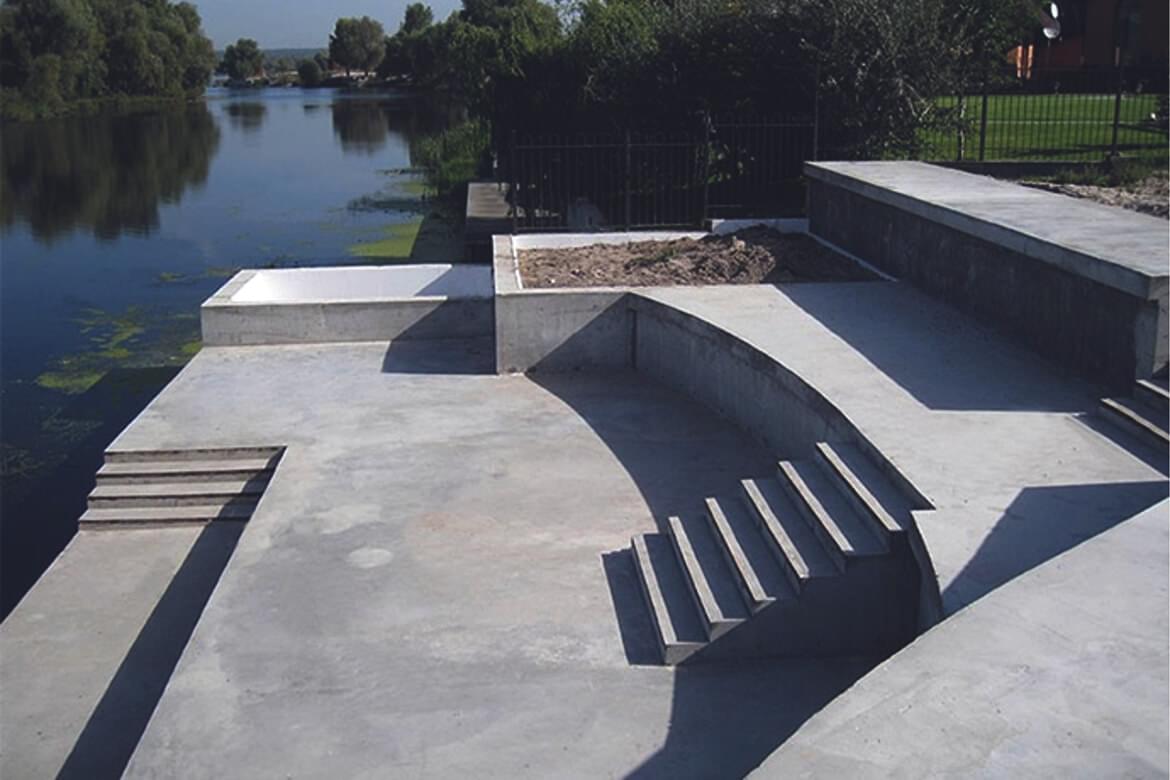
Signs of a failing bulkhead include visible fractures or bending, dirt disintegration behind the structure, extreme water merging, turning or leaning, and rust or decay in wooden elements, suggesting architectural compromise and prospective failure. (Bulkhead on Lake Livingston)
A durable bulkhead plays an important duty in shielding seaside residential properties from harsh ecological forces. By protecting against the land from being overtaken by water, bulkheads play a crucial role in preserving the integrity of coastal residential properties. A sturdy bulkhead not only offers a useful objective in securing against erosion but additionally contributes to the total aesthetic see here beauty of a waterside residential property. Furthermore, the existence of a high quality bulkhead can indicate to potential buyers that the building is resistant and well-kept against ecological obstacles. Exactly how can residential property owners guarantee their bulkheads satisfy regional regulations and continue to be in ideal problem?